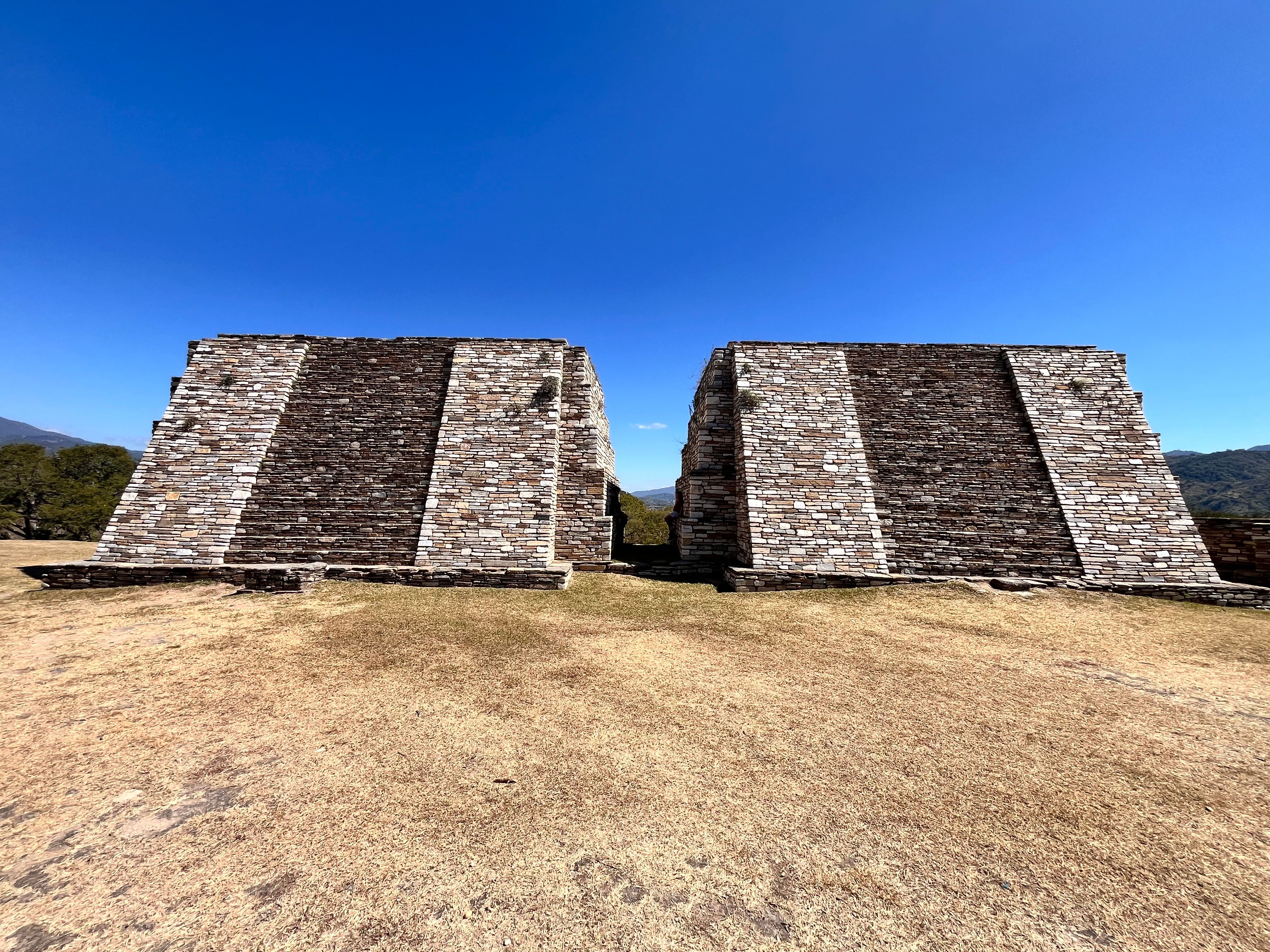
Mixco Viejo - Mayan Ruins
Mixco Viejo was the capital of the Chajoma Maya, who moved there in the 15th century, building it as a stronghold against enemies. It's situated on a ridge in the Central Highlands and is surrounded by super steep ravines and river tributaries, which provided natural defenses. This is the first Mayan ruins that our family has ever visited, and wow, it was powerful.
The Mayan culture continues to be very rich in Guatemala and many come to Mixco Viejo to hold ceremonies during the year. The photo at the beginning is actually a commermorative stelae which was erected to mark the end of the Thirteenth Piq-b'ak'tun. We learned that a Piq-b'ak'tun is a very large unit of time in the ancient Maya Long Count calendar which is used to measure vast cycles of history and cosmology.
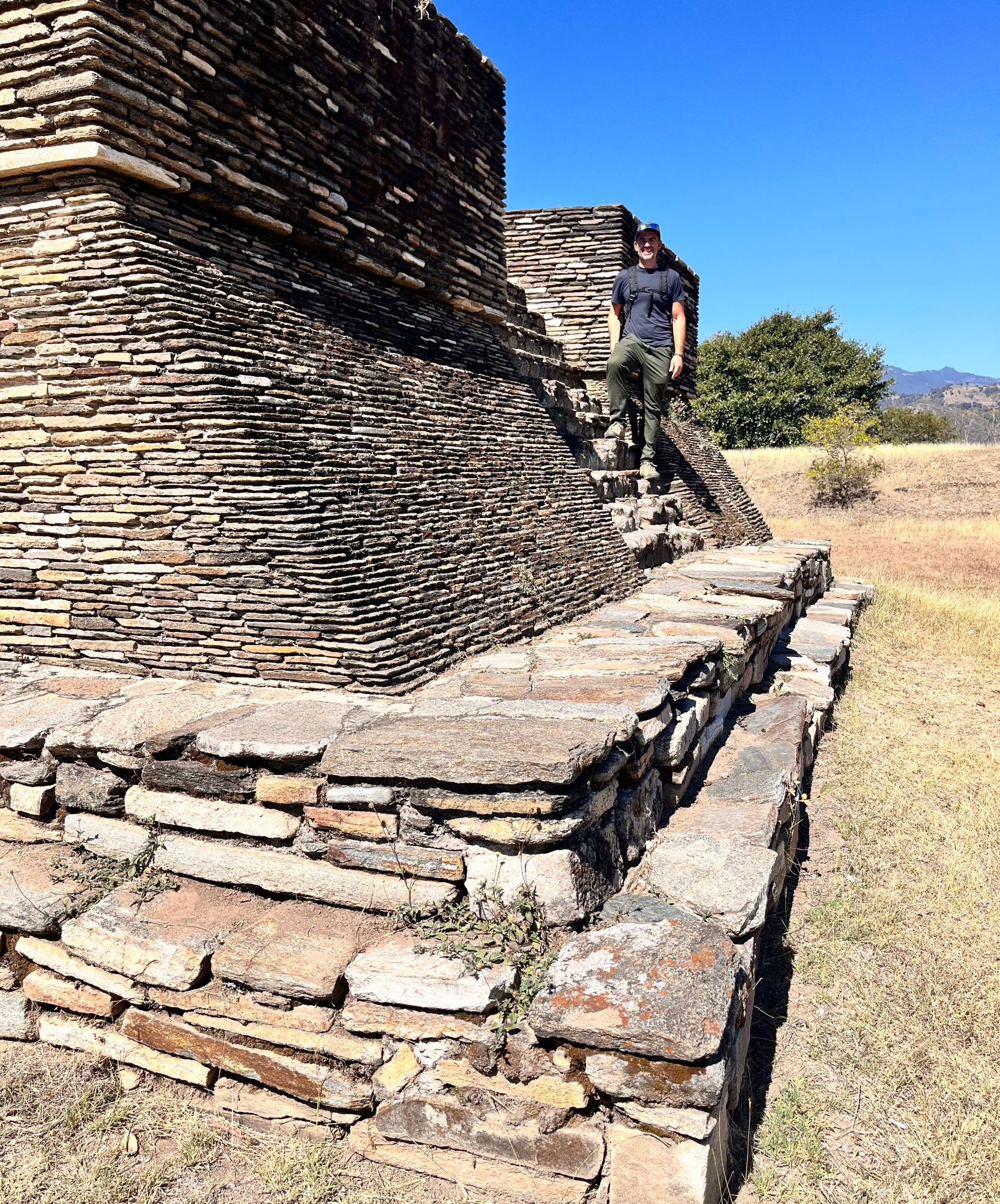
Being in this place, with it's immense natural beauty and deep silence, sent shivers up my spine. You could almost here the whispers of the rituals that once took place - moving with the breeze, through the stones. The weathered architecture stood solid and felt almost overwhelming when attempting to envision what it was like at the height of it's use as a place of worship, of celebration and of a home.
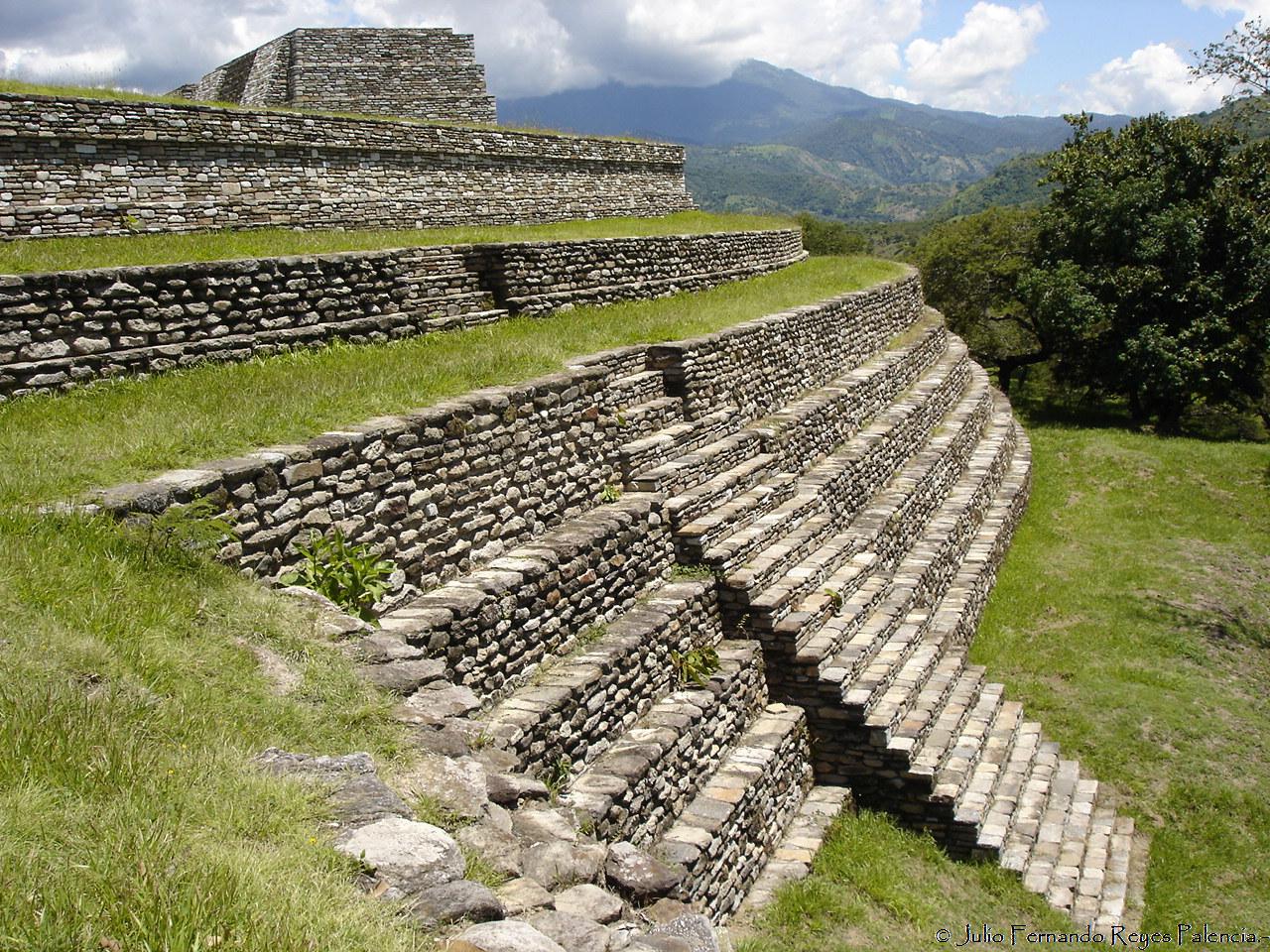
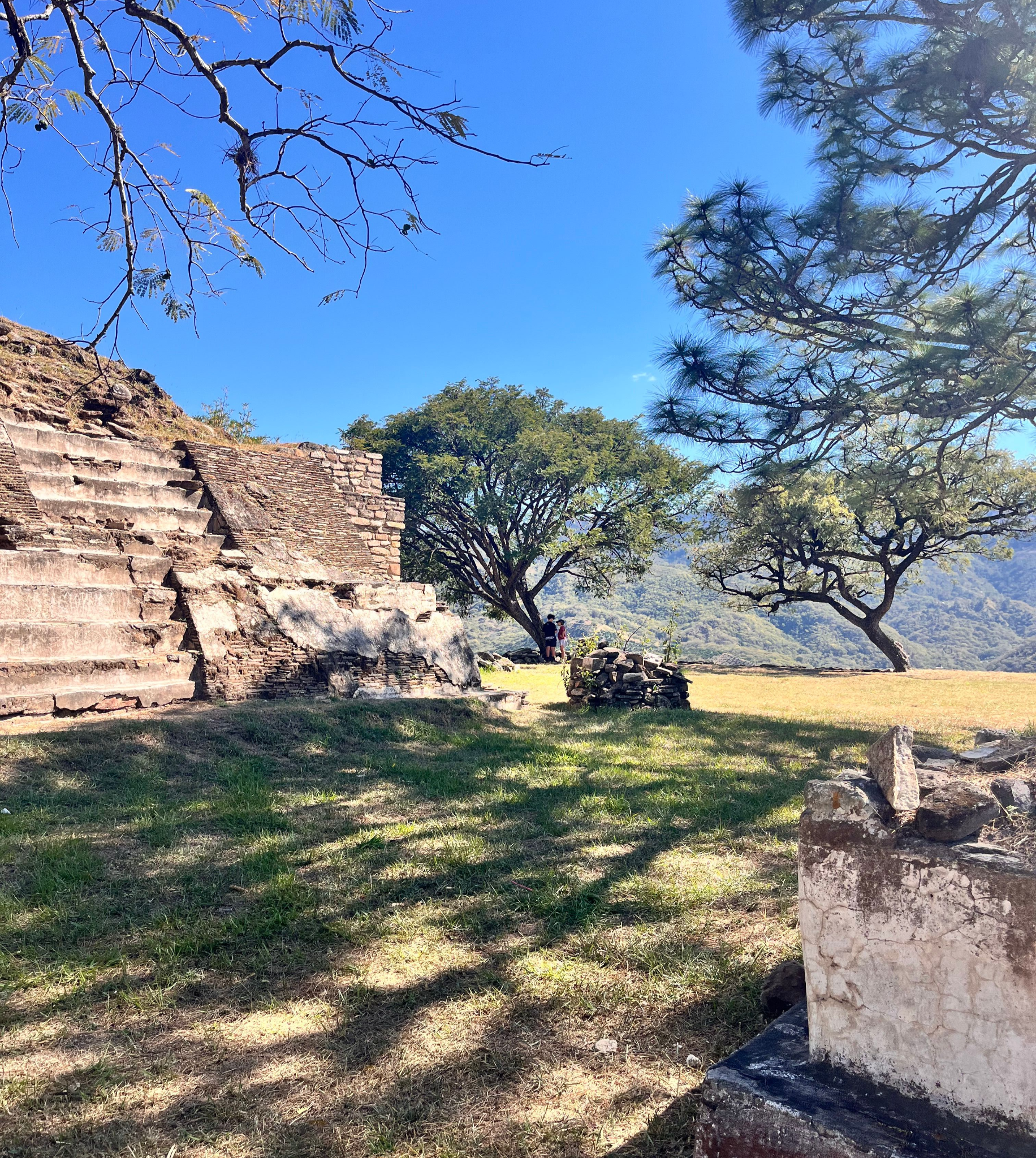
We discoved the stone courts where a Maya ballgame called Pok-ta-Pok was played. It is a 3,500 year old ritual sport blended with a sacred, high-stakes ceremony. Players would use their knees, elbows and hips (no hands or feet) to keep a heavy rubber balls in motion while attempting to pass it through high stone rings. The court is surrounded by layers of rock walls where onlookers could watch. It is said that the game represented a battle, a cosmic battle, between day and night, good and evil. It was used to avoid war, settle disputes and often as a religious offering. The team who lost the battle, would often sacrifice their leader, though it is also said that it could also involve more mundane stakes such as the forfeiture of goods.
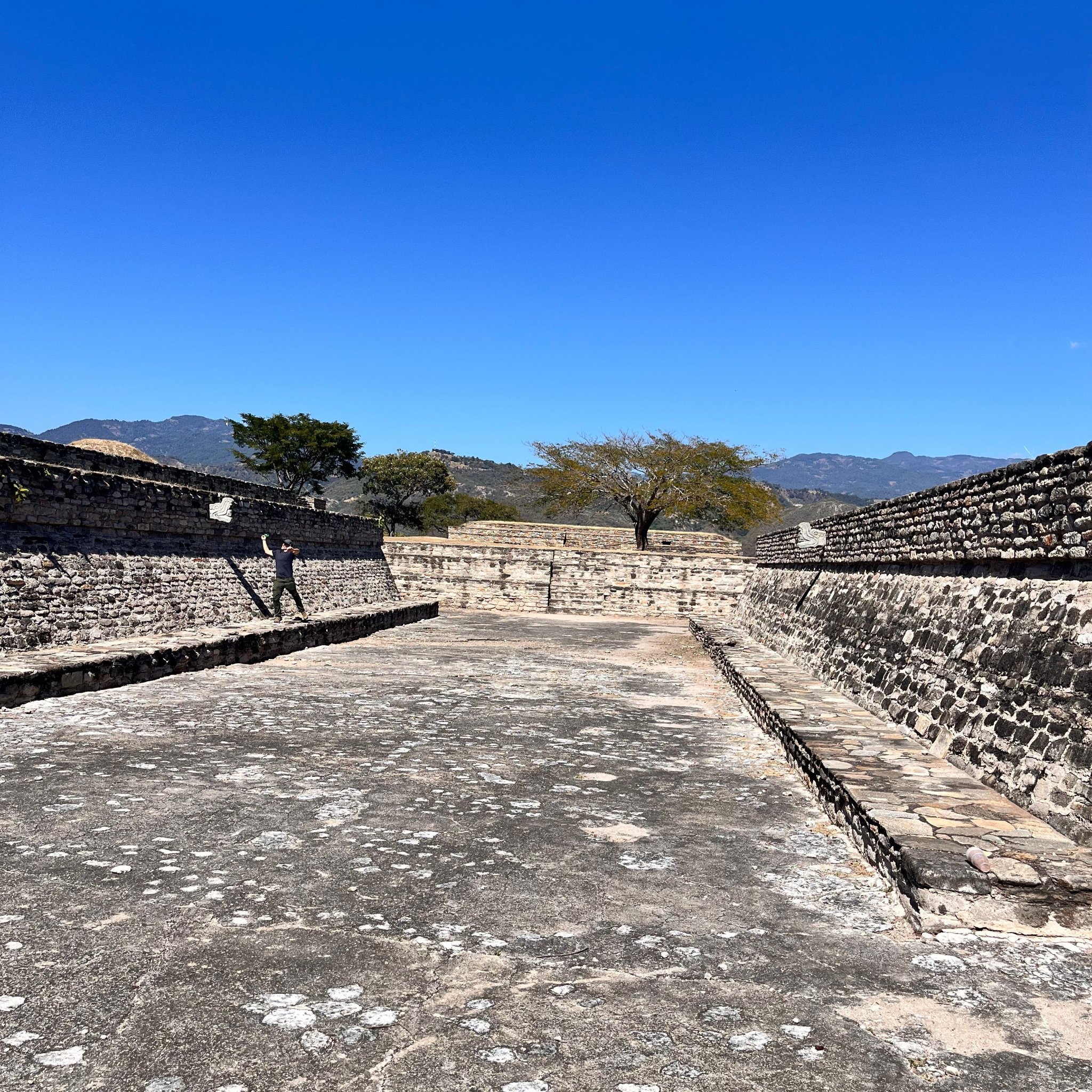
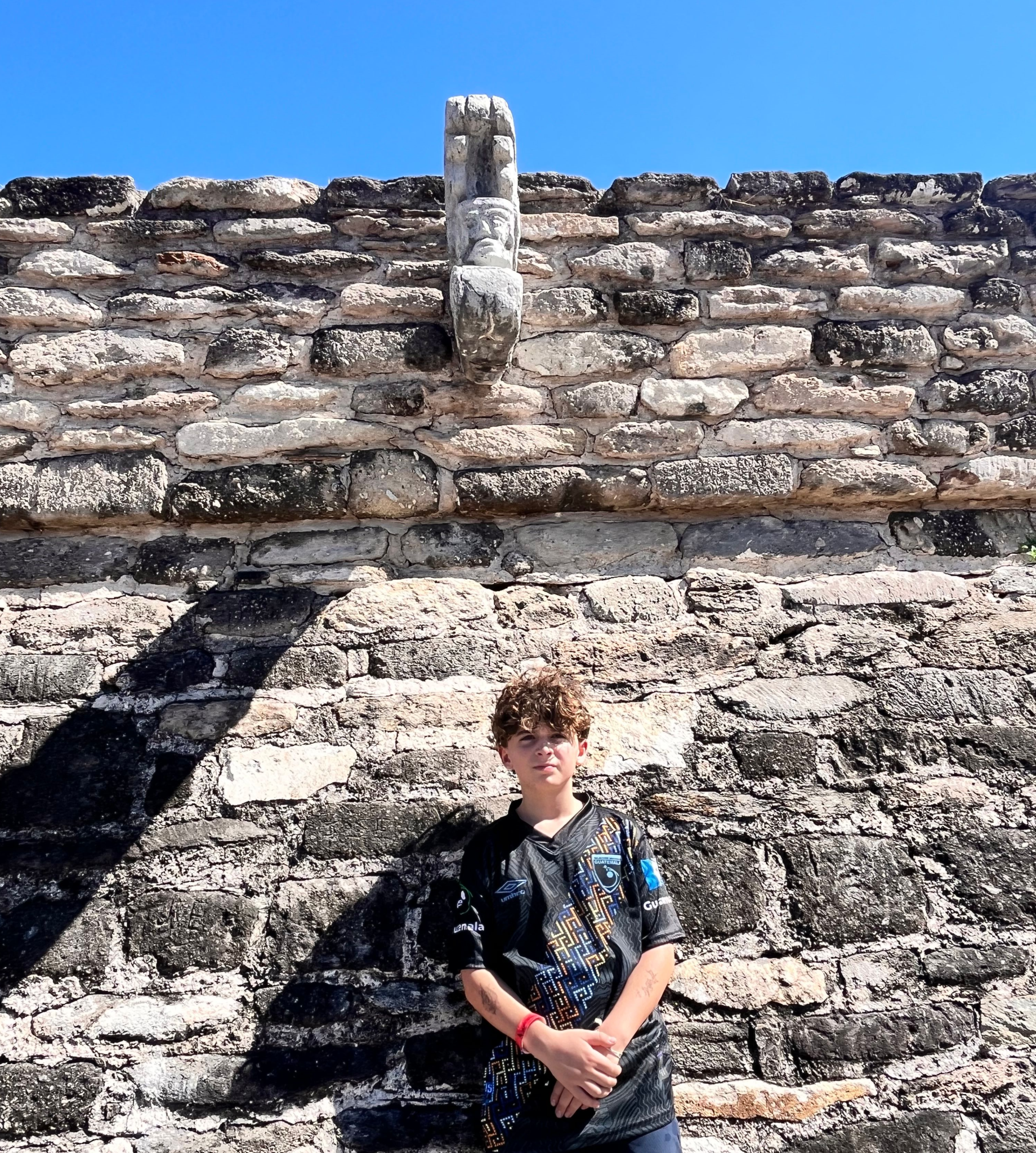
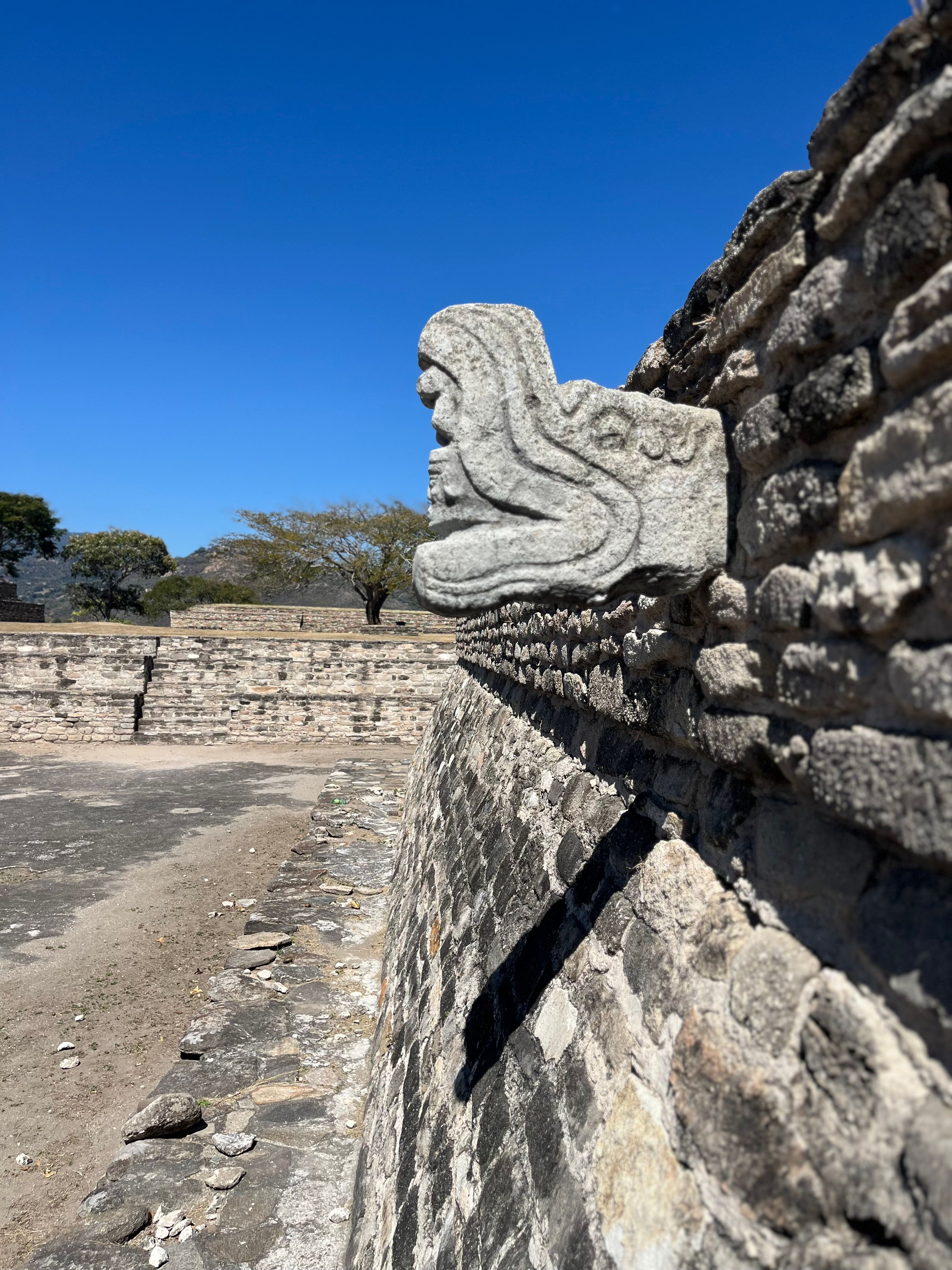
There weren't many placards here. Places where there were descriptions near ceremony sites were often weathered and difficult to read. It left us using our imagination and researching more when we came home. The beautiful thing is that the site is still used for ceremony for Mayan families living near by. We saw the spaces where ceremonies still happened regularly. Large grey stone circles on the ground where fresh ashes still lay. These sites are used for fire cermonies to honor ancestors and balance energy. The rituals often involve candles, fire and various offerings like flowers, plants and food.
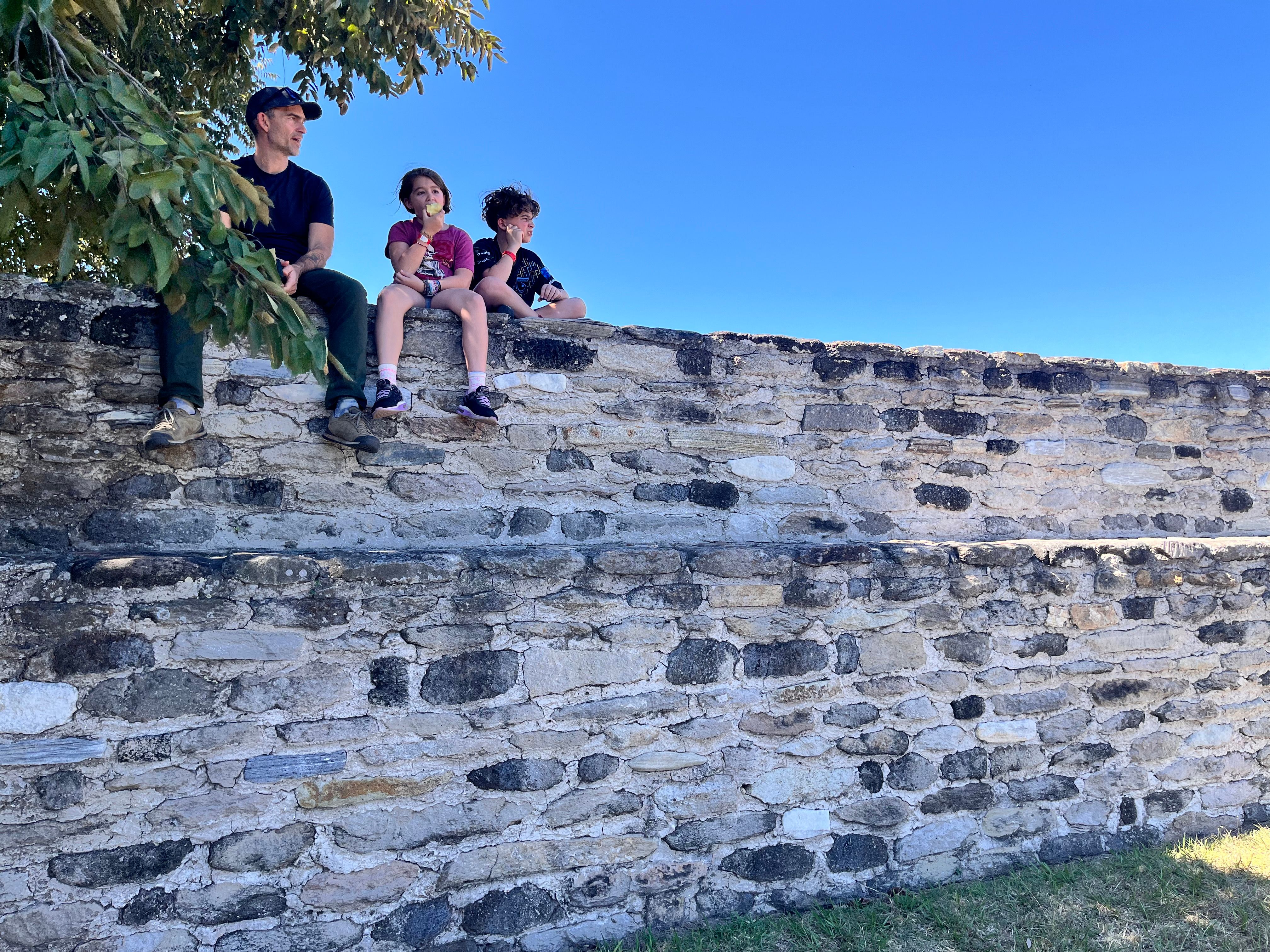
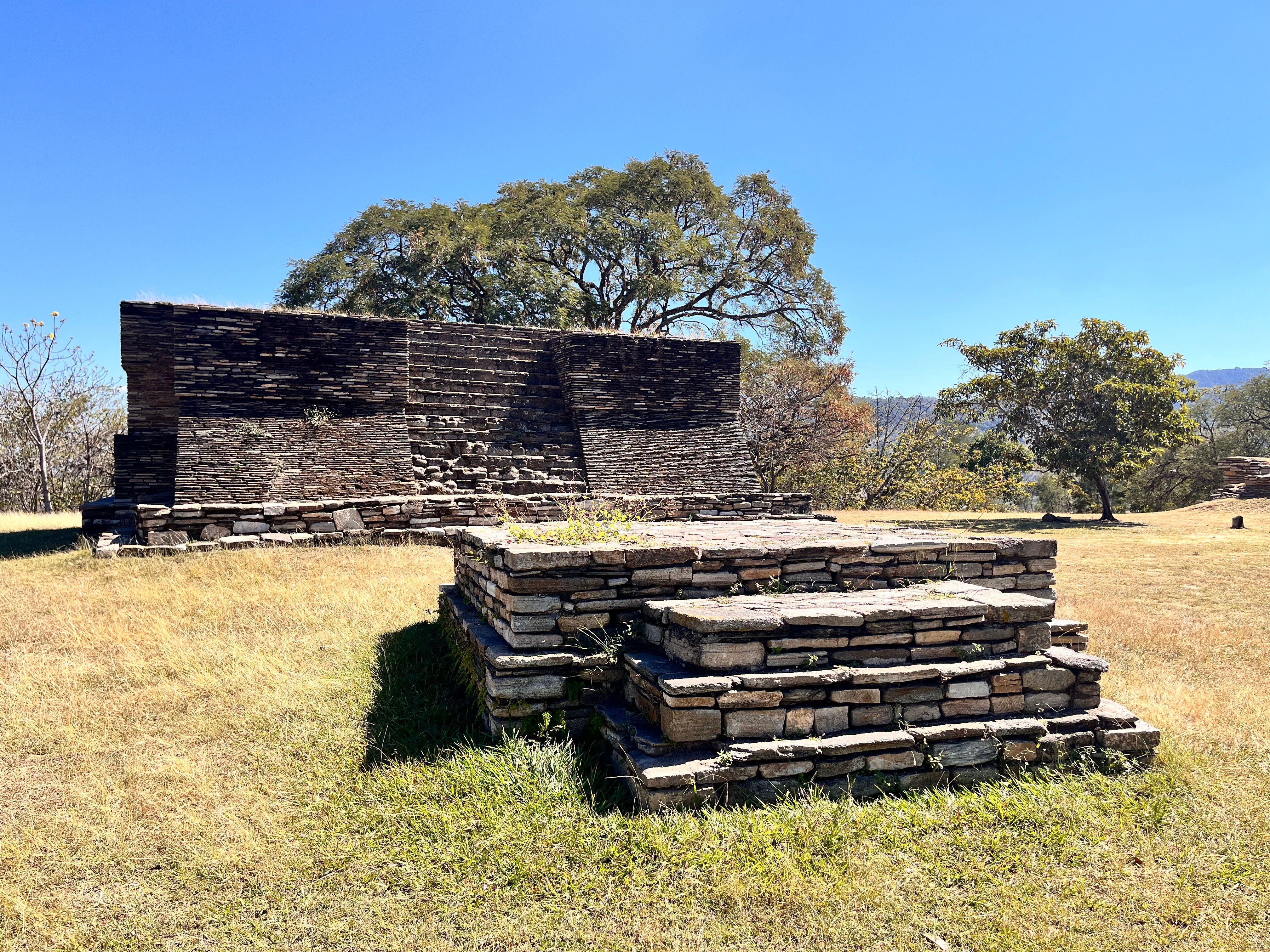
We spend numerous hours wandering around the site marveling not only in the architecture built thousands of years ago but the enormity of the site itself. They say at it's height, upwards of 10,000 people lived and worshiped there. We felt when leaving that we were very lucky to have experienced in the way that we did. No tourists other than ourselves, speaking in whispers at moments, feeling and honoring the sacred space still held by many and with a history of both thriving culture and tragedy and loss. We are grateful to have experienced it.